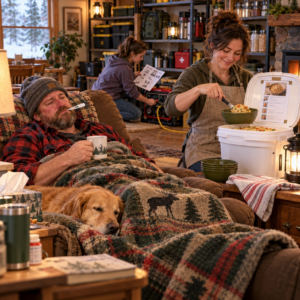
 Preparedness usually assumes that you are the one doing the preparing. You know where the water is stored, how the generator works, which batteries fit the emergency radio, where the first-aid supplies are, how much fuel is on hand, what the pets need, what is in the pantry, and where the backup can opener lives.
But what if you are the problem?
Not because you did anything wrong, but because you are sick, injured, in the hospital, away from home, too weak to get out of bed, or simply unavailable when something goes sideways. That is a preparedness problem most people do not spend nearly enough time thinking about.
Survivor Steve owns three generators, eleven water filters, two years of food, and enough paracord to restrain a small rhinoceros. Unfortunately, Survivor Steve is unconscious, and nobody else knows how to start the generator. That is not preparedness. That is a very impressive collection surrounding a single point of failure.
If the Plan Lives in Your Head, It Is Not a Plan
One of the easiest traps to fall into is becoming the household’s preparedness brain. You know everything, so naturally everyone starts relying on you to know everything. That works beautifully right up until the moment when you are the one who cannot answer questions.
Where is the water shutoff? How do we light the propane heater? Which food storage gets rotated first? Where are the dog medications? What does this cord plug into? Which breaker controls the well pump? What do we do if the freezer loses power?
If every answer begins with, “Ask me,” then you have created a system that depends entirely on your availability. A resilient system should still work when the most knowledgeable person is unavailable.
Preparedness Should Be Transferable
This is one reason I am such a believer in labeling, written instructions, and systems that make sense to someone besides the person who created them.
One thing I do with my meal-in-a-bucket system is put the ingredients for a specific meal together in one bucket and then tape a laminated recipe card to the inside of the lid. That way, if I am sick, injured, unavailable, or simply not the one cooking, nobody has to track me down and ask what to do with a bucket full of food.
The instructions are right there. The meal can function without me.
That is what a preparedness system should do. It should not require your memory to become operational, it should not require your phone to be charged, and it should not require everyone else in the house to suddenly develop psychic abilities.
Could Someone Else Find What Matters?
This is a very simple exercise, but it reveals a lot.
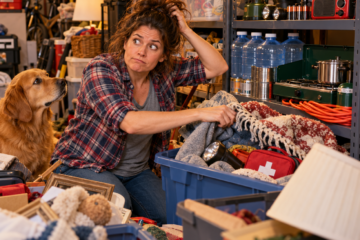
Imagine that you are not home. Now imagine someone in your household needs to find the first-aid supplies. Could they? Could they find the fire extinguisher, the emergency cash, the flashlight, the backup batteries, the important documents, the water filter, the pet supplies, or the generator instructions?
Or would they spend twenty minutes opening drawers and muttering your name with increasing irritation?
There is a difference between owning something and making it usable by the household. Preparedness supplies should not be hidden behind a scavenger hunt. If somebody has to call you from the basement and say, “I found three black bins. Which one has the propane stove?” the system needs work.
Can Anyone Else Shut Things Off?
Utility shutoffs are a perfect example of knowledge that should never belong to only one person.
More than one person in the household should know how to shut off the water and where the electrical panel is. If you have gas service, the appropriate people should know where the shutoff is and when it should or should not be used.
If you have a well, septic system, sump pump, generator, wood stove, or other household system that requires some special knowledge, ask yourself a simple question: If I disappeared for three days, could someone else operate this safely?
That question gets uncomfortable very quickly, which is exactly why it is useful.
Pets Are Part of the Plan Too
Pets are another area where one person often carries all the information.
Which dog gets which food? How much? What medication does this one take? Where is it stored? Which veterinarian do you call? Which pet absolutely cannot be trusted off leash? Which one has a talent for finding the one muddy patch in a five-acre field?
These things may seem obvious because you deal with them every day, but they are not obvious to someone stepping into your role unexpectedly. If somebody else had to care for your animals for a week, would they know what to do?
That information should exist somewhere besides your head. A simple written pet-care sheet can save enormous confusion.
Medications Can Become a Huge Weak Spot
Households often have a surprisingly fragile medication system.
One person knows what everyone takes, when they take it, where the refills are, which pharmacy is used, and which medication cannot be skipped. Then that person becomes unavailable.
That is when things get messy.
You do not need to create a medical encyclopedia, but having a current medication list, dosage information, allergies, pharmacy contact information, and relevant medical contacts can be tremendously useful. And keep it somewhere that another responsible person can actually find.
A beautifully organized emergency binder locked in a safe whose combination nobody else knows is essentially decorative.
What About Food?
Food storage is one of the places where this problem shows up most clearly.
Many prepared households have plenty of food, but only one person actually understands the system. They know which bucket contains what, which cans need to be rotated first, how much water to add to the dehydrated meal, and which powdered ingredient goes into which recipe. Everybody else just sees containers.
This is exactly why I like attaching the laminated recipe card to the lid of the meal bucket. It makes the food self-explanatory.
You could do the same thing with other parts of food storage. Label containers clearly, write cooking directions on the package if the original instructions are gone, and group foods that are intended to be used together. If something requires an unusual amount of water or cooking time, write that down.
Future stressed-out household members will thank you. Or at the very least, they will not ruin dinner and blame you.
Can Someone Else Run the Generator?
Generators deserve their own category because they are one of those preparedness tools people love to own but often fail to practice with.
Maybe you know exactly how to start yours. Does anyone else? Do they know where the fuel is, how to connect it safely, what it can and cannot power, and how to shut it down? Do they know that portable generators belong outside and away from doors, windows, and vents?
If the answer is no, then your backup power plan is partially dependent on you being conscious and available. That is not ideal.
The solution is not complicated: teach somebody else. Better yet, have them actually do it while you watch. There is a huge difference between hearing instructions and performing the task.
Write Down the Weird Stuff
Every household has weird stuff.
That is not a criticism. It is simply a fact.
Maybe there is a breaker that trips if the microwave and space heater run together. Maybe the freezer door needs an extra push to latch. Maybe the water shutoff requires a particular wrench. Maybe the generator choke is temperamental. Maybe one dog will absolutely steal the other dog’s food if given six consecutive seconds without supervision.
These are the things that live in your brain because you have learned them through experience. Write them down.
The little weird details are often what make a household run smoothly.
Do You Have a Backup Decision-Maker?
There is another side to this that has nothing to do with equipment.
Who makes decisions if you cannot? Who knows where important documents are? Who can contact family? Who understands the household finances well enough to keep essential bills paid? Who knows which insurance company to call? Who has access to the information needed to handle an emergency?
Preparedness is not just cans of food and flashlights. It is continuity.
And continuity requires somebody else to know where the steering wheel is.
Test the System Without Yourself
One of the most revealing preparedness exercises would be to deliberately remove yourself from the process for an afternoon.
Do not answer questions. Let somebody else make the meal from storage. Let someone else start the generator. Ask them to find the first-aid kit, the water shutoff, and the important documents.
You will discover very quickly which parts of your preparedness plan are actually systems and which parts are simply stored inside your brain.
Do not be offended when someone says, “How was I supposed to know that?” They are doing you a favor. They just found a weakness before the emergency did.
You Are Not Supposed to Be the Entire Plan
Prepared people tend to become capable people, and capable people have a bad habit of becoming indispensable. That sounds flattering until you realize that being indispensable is actually a vulnerability.
You should absolutely know how to run your household. But the goal should be for the household to remain functional even when you cannot. That means instructions, labels, practice, redundancy, and shared knowledge. It means taping the recipe to the meal bucket instead of assuming everyone will remember what you told them six months ago, and it means teaching someone else how to start the generator before they need to figure it out under pressure.
Because someday the emergency may not be a storm, a blackout, or a broken pipe. Someday the emergency may be you.
And when that happens, the best preparedness plan is the one that keeps working without you.
0 Comments