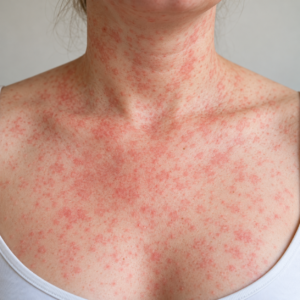
 Measles is back in the headlines, and this time there is a reason to pay attention. Pennsylvania has now confirmed 1,260 measles cases across 43 counties in 2026, and the state has reported five measles-associated deaths while a sixth reported death was still under review in the most recent official update. That wording matters. “Measles-associated” does not necessarily mean measles was the only medical issue involved, but it does mean this is not something I am comfortable dismissing as “just a rash.” Pennsylvania.gov
I am deliberately saying that up front because fear is not useful, but neither is denial. Measles can become serious, especially for very young children, pregnant women, people with weakened immune systems, adults over 30, and people who are malnourished or deficient in important nutrients such as vitamin A. The point of this article is not to tell you what you are supposed to believe. It is to help you know what measles actually is, how it spreads, who may already be immune, how to care for someone without unnecessarily exposing everyone else, how nutrition fits into preparedness, and when the situation has moved beyond home care.
First, Who Is Probably Already Immune?
This is one of the most useful things to know before measles ever enters the picture.
If you were born before 1957, you are generally presumed to be immune because measles circulated so widely before vaccination that nearly everyone was exposed during childhood. Other accepted evidence of immunity includes laboratory evidence of immunity, laboratory-confirmed prior measles infection, or appropriate documented vaccination. CDC
There is one historical wrinkle worth knowing. Between 1963 and 1967, some people received an older killed measles vaccine that was later found not to provide adequate protection. People who know they received that vaccine, or who received a measles vaccine during those years but do not know which type it was, should discuss their immunity status with a knowledgeable healthcare professional. CDC
And if you truly do not know whether you are immune, there is a blood test for measles IgG antibodies that can help answer that question. That is information I would much rather have before somebody in the house develops a 103-degree fever.
Measles Is Not Just Another Cough-and-Sneeze Bug
Measles spreads through the air.
That distinction matters because the virus can remain active and contagious in the air or on contaminated surfaces for up to about two hours, and an infected person can spread measles from roughly four days before the rash appears until four days after the rash begins. In other words, exposure can happen before anyone realizes what they are dealing with.
That means handwashing, while always useful, is not enough by itself. If someone in your household develops suspected measles, think about air, distance, and exposure. Keep the ill person in a separate room if possible. Limit how many people go in and out. Keep vulnerable household members away. Improve ventilation when practical. And please do not invite visitors over to admire the rash.
If you are not already immune and you must care for someone with suspected measles, I would absolutely want a well-fitting N95 respirator available. Measles is treated with airborne precautions in healthcare settings for a reason. An N95 is not a magic force field, but it is a far more appropriate piece of protective equipment for an airborne virus than pretending every face covering offers the same level of protection.
What Does Measles Actually Look Like?
Measles often begins looking like a miserable respiratory illness. The early symptoms usually include high fever, cough, runny nose, and red or watery eyes. Several days later, the characteristic rash appears, usually beginning on the face or upper neck and moving downward over the body.
Small white spots inside the mouth, known as Koplik spots, can sometimes appear before the rash and can be an important clue.
The fever can be significant. People may also experience diarrhea, vomiting, poor appetite, and profound fatigue. The complications are where measles stops being merely unpleasant and becomes potentially dangerous. Pneumonia, ear infections, eye complications, severe dehydration, encephalitis, and complications during pregnancy can occur.
That is why I would rather recognize what I am looking at before the household is scrambling to research symptoms at two o’clock in the morning.
If You Suspect Measles, Do Not Just Walk Into a Waiting Room
This is one of the most practical things you can remember.
If someone has had a known or possible measles exposure and then develops compatible symptoms, call the doctor, urgent care, or emergency department before you arrive.
Tell them you suspect measles.
Because this virus spreads through the air so efficiently, a medical facility may want to bring the patient in differently or isolate them immediately rather than having them sit in a waiting room beside babies, pregnant women, older adults, or people receiving immune-suppressing treatment.
“Surprise! We think this is measles!” is not the ideal opening line at the reception desk.
Call first.
What Can You Actually Do at Home?
There is no specific antiviral treatment that simply makes measles disappear. Care is largely supportive: keep the patient hydrated, maintain nutrition, manage symptoms appropriately, make the person as comfortable as possible, and watch closely for signs of complications.
This is where preparedness matters. I would want a reliable thermometer, fluids, oral rehydration supplies, easy-to-eat foods, clean bedding, tissues, fever-management supplies appropriate for the person’s age and medical history, and enough basic household supplies that nobody has to abandon the patient because the house is suddenly out of everything.
Dehydration deserves particular attention when there is vomiting, diarrhea, high fever, or poor fluid intake. Watch urine output, alertness, breathing, and whether the person can keep fluids down.
Here’s a link to a DIY electrolyte drink: [link]
And one important reminder: children should not be given aspirin during viral illnesses because of the risk of Reye syndrome.
Build the Body Before the Illness Arrives
This is the part of preparedness that does not fit neatly into a tote.
Your nutritional status matters.
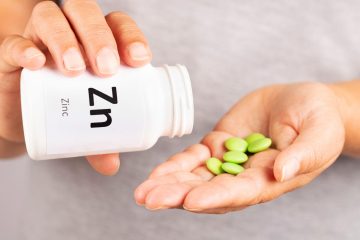
The immune system depends on adequate amounts of vitamins A, C, D and E, several B vitamins, zinc, selenium, magnesium, iron, copper, protein, and other nutrients to function normally. I am a firm believer in doing that work before illness arrives instead of waiting until somebody is sick and suddenly trying to build an immune system over the weekend.
And I do not believe we should assume that modern food automatically supplies everything the body needs.
Published research comparing food composition across decades has documented real declines in a number of nutrients. One study comparing USDA data on 43 garden crops between 1950 and 1999 found statistically reliable declines in six nutrients, including calcium, iron, riboflavin, vitamin C, phosphorus, and protein. Another analysis of UK fruits and vegetables from 1940 through 2019 found declines in most of the minerals examined, with particularly large reductions in iron and copper. Researchers have proposed several contributors, including changing crop varieties, high-yield agriculture, industrial farming practices, and changes in soil and growing conditions. PubMed
That is one reason I believe supplementation is vital today for many people. We should absolutely eat nutrient-dense food, but I do not assume that food alone is always going to cover every nutritional base as reliably as it might have in another generation.
That means real food first: eggs, liver, orange and dark-green vegetables, berries, citrus, peppers, meat, fish, shellfish, beans, nuts, seeds, and other whole foods. Then, where appropriate, supplement what may still be missing.
When I supplement, I personally prefer whole-food-based nutrient supplements rather than isolated synthetic formulations. I want nutrients delivered as much as possible alongside the naturally occurring compounds found in foods rather than treating nutrition like a chemistry experiment assembled one molecule at a time.
If that is also your preference, Azure Standard carries whole-food-based supplement options, along with nutrient-dense foods and other natural products. Read the individual product label, of course, so you know exactly what you are getting.
None of this means vitamins prevent measles.
They do not.
It means you are giving your body the raw materials it needs to function as well as possible before it is asked to fight something.
Vitamin A Deserves Special Attention
Vitamin A is not just another generic “immune vitamin” in the measles conversation.
Measles can lower vitamin A levels, and vitamin A deficiency is associated with worse outcomes and a greater risk of complications, including eye damage. WHO specifically recommends therapeutic vitamin A for young children with suspected measles, with age-appropriate dosing determined by a health professional.
That does not mean everybody should start taking giant doses of vitamin A because measles is in the news. Vitamin A can be toxic in excessive amounts, especially preformed vitamin A, and high-dose supplementation deserves particular caution in pregnancy.
For everyday nutritional support, foods such as liver, egg yolks, dairy foods, carrots, sweet potatoes, pumpkin, spinach, kale, and other orange or dark-green vegetables can contribute vitamin A or its carotenoid precursors.
If someone actually develops measles, especially a child, I would discuss therapeutic vitamin A with a knowledgeable medical professional instead of guessing at the dose from something found on social media.
This is one of those cases where more is not automatically better.
Where Does Vaccination Fit Into This?
It belongs in the discussion, but it does not need to dominate the article.
Two appropriately documented doses of measles-containing vaccine are generally considered strong evidence of protection. Laboratory-confirmed previous infection or positive measles immunity testing are also accepted evidence of immunity, and people born before 1957 are generally presumed immune. CDC
The vaccine is not appropriate for everyone. Pregnancy and severe immune suppression are important contraindications to the live MMR vaccine, and recognized adverse reactions and precautions deserve to be discussed honestly rather than brushed aside.
There are also post-exposure options that may matter if someone has been exposed and is not immune. Depending on the person and the circumstances, vaccination soon after exposure or immune globulin within a limited window may be considered.
That decision belongs in an informed conversation about the individual, not in an ideological loyalty test.
When Home Care Is No Longer Enough
Most people with measles recover, but there are signs that should move the situation out of the “manage this at home” category.
Difficulty breathing, bluish lips or skin, severe dehydration, inability to keep fluids down, unusual sleepiness or difficulty waking, confusion, seizures, severe headache, worsening weakness, or a child who looks markedly sicker rather than gradually improving all deserve prompt medical attention.
Pregnant women, infants, people with weakened immune systems, and people with significant underlying medical conditions deserve an especially low threshold for contacting a healthcare professional after exposure or illness.
And again, if measles is suspected, call before arriving.
Preparedness Is More Than Avoiding Exposure
Whenever infectious disease appears in the news, the conversation tends to collapse into two camps.
One says there is nothing to worry about.
The other says everybody should panic.
Neither is terribly useful.
Preparedness lives in the more practical space between them. Know whether you are likely immune. Know what the symptoms look like. Know that measles spreads through the air. Have N95 respirators available if someone who is not immune may need to provide care. Have supplies on hand to isolate and care for someone at home. Build nutritional resilience before illness appears. Understand why vitamin A is unusually important in measles. Know what complications look like. And know when the situation has moved beyond what should be managed at home.
Pennsylvania’s outbreak is a useful reminder that diseases we mentally filed away under “things people used to get” have not necessarily agreed to stay there.
The goal is not fear.
The goal is being the person who already knows what to do when everyone else suddenly starts Googling.
0 Comments