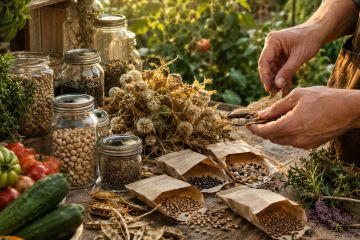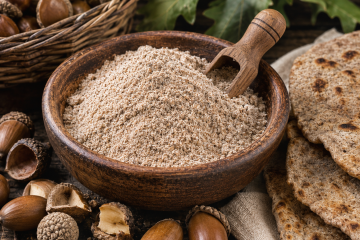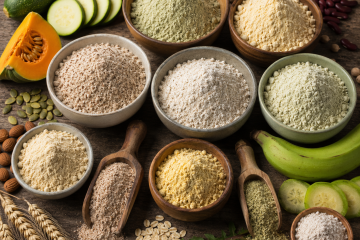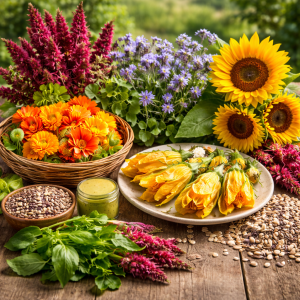
Discover 6 beautiful flowers that are great sources of food!
Most people plant flowers for beauty.
They brighten the yard, attract pollinators, and make the garden feel alive again after winter loosens its grip.
But some flowers do far more than look pretty.
Some flowers feed you.
In fact, several common garden flowers are not only edible, but surprisingly nutritious—and many of them grow abundantly with very little effort. For anyone interested in self-reliance or simply getting more value out of their garden space, these edible blooms are worth considering.
A garden that produces both beauty and food is a powerful thing.
Let’s take a look at five flowers that deserve a place in that kind of garden.
Nasturtiums: The Garden’s Spicy Workhorse
Nasturtiums might be one of the most generous plants you can grow.
They spill happily over garden beds, climb trellises, and produce bright orange, yellow, and red flowers all season long. But what many people don’t realize is that every part of the plant is edible.
The leaves and flowers have a mild peppery flavor similar to arugula and add a wonderful bite to salads. Even the seed pods can be pickled and used as a substitute for capers.
Nasturtiums also bring nutritional value to the garden. The leaves and flowers are rich in vitamin C, antioxidants, and beneficial plant compounds that support immune health.
And perhaps best of all?
They practically grow themselves.
Calendula: The Healing Flower
Calendula, often called “pot marigold,” has been valued for centuries as both a medicinal herb and an edible flower.
Its cheerful golden petals can be sprinkled fresh into salads, stirred into rice dishes, or dried and added to soups for color. Historically, calendula was sometimes called “poor man’s saffron” because it added a warm golden hue to foods.
But calendula’s real fame comes from its role in herbal medicine.
The flowers contain natural compounds that are anti-inflammatory, antibacterial, and antifungal, which is why calendula oil and salves are widely used to soothe irritated skin and help support wound healing.
Herbalists have traditionally used calendula preparations for:
-
minor cuts and scrapes
-
burns
-
rashes
-
eczema
-
and dry or irritated skin
Those soothing qualities make calendula one of the most useful flowers you can grow—not just for food, but for your home herbal toolkit.
And like many of the best preparedness plants, calendula blooms generously and often reseeds itself year after year.
Borage: The Pollinator Magnet
Borage produces clusters of beautiful star-shaped blue flowers that bees absolutely love.
Gardeners often plant it specifically to attract pollinators—and the plant rarely disappoints.
But those delicate blue flowers are edible as well. They have a light cucumber-like flavor and make a beautiful garnish for salads, drinks, and desserts.
The flowers contain small amounts of vitamin C and beneficial antioxidants, and historically they were added to beverages and salads for both flavor and nutritional value.
Borage grows quickly, tolerates poor soil, and frequently reseeds itself—meaning one planting often returns year after year.
Squash Blossoms: A Hidden Delicacy
If you grow zucchini or other squash varieties, you’re already producing edible flowers—you may just not realize it.
Squash blossoms have long been considered a delicacy in many cultures. They can be sautéed, added to soups, or stuffed and baked.
One of my favorite ways to prepare them is stuffed with a simple herbed ricotta filling.
Herbed Ricotta Stuffed Squash Blossoms
Ingredients:
-
12 fresh squash blossoms
-
1 cup ricotta cheese
-
¼ cup grated Parmesan
-
1 clove garlic, minced
-
1 tablespoon fresh basil or parsley, chopped
-
salt and pepper to taste
-
olive oil for drizzling
Instructions:
-
Gently rinse the blossoms and remove the inner stamens.
-
In a bowl, mix ricotta, Parmesan, garlic, herbs, salt, and pepper.
-
Spoon the mixture carefully into each blossom.
-
Twist the tops closed.
-
Arrange on a baking sheet, drizzle lightly with olive oil, and bake at 375°F for about 12–15 minutes until lightly golden.
Simple, beautiful, and delicious.
And the best part?
Squash plants produce far more flowers than they need, so harvesting some blossoms rarely affects your vegetable harvest.
Sunflowers: Beauty That Feeds You
Sunflowers may be one of the most iconic edible flowers of all.
Their towering stalks and bright faces bring dramatic beauty to the garden, but the real reward comes later in the season when the seed heads mature.
Sunflower seeds are rich in healthy fats, protein, vitamin E, and magnesium, making them a nutrient-dense snack that stores well.
Even the young sunflower sprouts and buds are edible, adding yet another layer of usefulness to this already impressive plant.
Few flowers offer so much return for so little effort.
Honorable Mention: Amaranth
Amaranth deserves special recognition because it blurs the line between flower, grain, and leafy vegetable.
Its dramatic plumes of crimson flowers are stunning in the garden—but those plumes are far more than decorative. Each tall stalk can produce up to a pound of nutrient-dense grain, which is remarkable productivity for a single plant.
That alone makes amaranth worth considering for a preparedness garden.
But the plant doesn’t stop there.
The leaves are edible as well, and they can be cooked much like spinach or other leafy greens. In many parts of the world, amaranth leaves are actually the most commonly consumed part of the plant.
Nutritionally, amaranth is impressive. The grain is rich in protein, iron, magnesium, and fiber, and unlike most grains, it contains the essential amino acid lysine, making it a more complete protein source.
Historically, entire civilizations relied on this plant as a staple crop—and it’s easy to see why.
You get beauty, grain, and leafy greens from the same plant.
For even more fascinating facts about this remarkable plant, be sure to check out this article I wrote about amaranth.
Beauty That Feeds You
Flowers don’t have to be purely decorative.
When you choose varieties that offer both beauty and nutrition, your garden becomes more than a pretty space—it becomes a small ecosystem that supports pollinators, nourishes your family, and adds resilience to your food supply.
A garden like that doesn’t just look good.
It works hard.
And sometimes the most valuable plants in the garden are the ones that make you stop and admire them…
right before you harvest them for dinner.