 Nothing makes you appreciate civilization faster than realizing you can’t flush.
You can survive a Wi-Fi outage. We can, right? *wink*
You can adapt to a power flicker.
But when the water stops running—or worse, when it runs and you’re not entirely sure what’s in it—modern life stops feeling modern and starts feeling like camping… with adult responsibilities.
Water infrastructure is one of the most invisible miracles in America. You turn a handle and clean water appears — like magic. Except it isn’t magic. It’s miles of pipes, pumps, reservoirs, treatment plants, and an entire system operating on the assumption that clean water is just going to show up on demand.
Except sometimes it doesn’t.
Pipes That Have Seen More Summers Than Most People
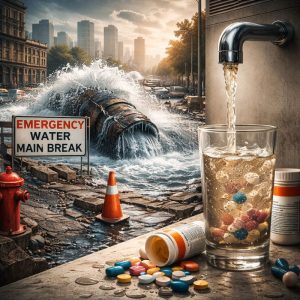
The United States has over 2 million miles of drinking water pipes, many installed decades ago, some approaching a century in age — and they’re not getting younger. Aging infrastructure leads to hundreds of thousands of water main breaks every year, interrupting service, wasting treated water, and forcing emergency repairs that cost communities millions. Yes, a water main break happens about every two minutes somewhere in the country.
What’s Actually in the Water? (And Why It Matters)
Even when water flows, what’s in it isn’t always simple. Modern chemistry and municipal treatment don’t always mix perfectly with old infrastructure. Trace levels of pharmaceuticals — from pain relievers to hormones to antibiotics — have been found in water supplies in many areas. And you wonder why you’re tired all the time? Ambien, anyone? Water treatment plants were designed to handle dirt and bacteria… not decades of new chemical compounds from modern life.
This isn’t “water is poison” alarmism — it’s a reminder that infrastructure built for a simpler era has to handle a much more complex world today.
Sewage Overflows: The Other Thing Nobody Talks About at Dinner
In many older cities, stormwater systems and wastewater lines are connected. During heavy rain, those systems can be overwhelmed, leading to combined sewer overflows — which means untreated sewage can spill into rivers and lakes. That’s a public health risk, not a Hollywood horror scene, but it’s another example of infrastructure working hard… and occasionally blowing a gasket.
Flint, Michigan: A Lesson in Why Water Infrastructure Matters Deeply
If you want a real-world example that’s still resonating today, look no further than Flint, Michigan. In 2014, the city switched its water source to the Flint River to save money — but didn’t treat the water properly for corrosion control. That corrosive river water leached lead from old pipes into the drinking supply, exposing tens of thousands of residents to dangerous lead levels and contributing to serious health problems, especially in children.
A decade later, Flint’s journey is still a work in progress. While the EPA lifted its emergency order after years of restoration work, residents and activists continued fighting for clean, affordable water, with some still avoiding tap water and pressing for full infrastructure and health support.
Flint isn’t the only place streaming headlines — Jackson, Mississippi is another example of a city with an outdated water system that has caused persistent boil water advisories, discoloration, and public distrust of tap water.
These aren’t outliers. They’re reminders that when infrastructure wears thin, communities feel it — in health, trust, and everyday life.
Your Body Treats Water Like Priority Mail
Let’s get real for a moment: when you drink water, your body doesn’t distribute it evenly like a polite buffet line.
Nope.
Your brain gets first dibs — because water is that important to brain function. Even mild dehydration can affect mood, focus, and energy. Water isn’t just a utility. It’s cognitive fuel, health, and stability.
So let’s talk about what you can do — calmly, practically, and without turning your home into a prepper bunker.
Smart, Simple Preparedness for Water
This is where Preparedness Pro shines — not fear, but practical confidence. Here are the basics that give you breathing room:
-
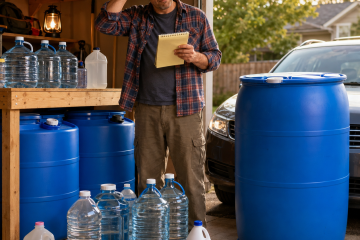
Store water — even a few days’ supply makes comfort possible when mains break or advisories happen.
-
Get serious filtration — a Reverse Osmosis (RO) unit isn’t overkill. It’s one of the most effective mainstream options for removing contaminants, including lead and many modern chemical residues.
-
Know your local water quality reports — most municipalities publish annual water quality reports that tell you what’s actually in your local supply.
-
Be ready after storms — heavy rain can trigger advisories or boil notices. Plan for it.
Preparedness isn’t about expecting the worst.
It’s about refusing to be shocked when life gets inconvenient.
Because the real question isn’t:
“Will the water system fail tomorrow?”
It’s:
“If something hiccups… will you be helpless… or just mildly annoyed?”
Water infrastructure is incredible.
It’s also aging.
And the calm, capable household is the one that treats clean water the way it deserves to be treated:
Not as a guarantee…
But as a gift worth backing up.