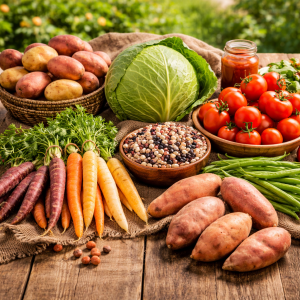
The top 7 crops you should grow
Spring has a way of stirring something in the soul.
Maybe it’s the warmer soil. Maybe it’s the longer days. Or maybe it’s just the quiet promise that life can start again after a long winter.
For gardeners—and anyone interested in self-reliance—spring also brings an important question:
If you’re going to grow food, what should you grow?
Not every crop is created equal. Some plants demand constant attention and perfect conditions. Others practically grow themselves and reward you with a harvest that stores well, preserves easily, and provides real nutrition.
When preparedness meets gardening, those hardy crops become the backbone of a resilient garden.
Let’s talk about a few that deserve a permanent place in your planting plans.
Potatoes: The Calorie King
If there were a crown for the most dependable garden crop, potatoes would be a strong contender.
They grow well in a variety of climates, produce generously, and are packed with nutrients. Potatoes provide vitamin C, potassium, fiber, and complex carbohydrates that help sustain energy—one reason they’ve fed entire populations throughout history.
Another benefit?
They store beautifully.
When kept cool, dark, and dry, potatoes can last months in proper storage conditions. They’re also versatile in the kitchen—baked, mashed, roasted, fried, or added to soups and stews.
And if you save a few small potatoes from each harvest, they can even become next year’s seed stock.
Beans: Protein From the Garden
Beans are one of the most efficient crops you can grow.
They produce heavily, improve soil health by fixing nitrogen, and provide one of the best plant-based sources of protein available in the garden.
A single cup of cooked beans can contain 15 grams or more of protein, along with fiber, iron, magnesium, and important B vitamins. Combined with grains like rice or corn, beans create a complete protein source that has sustained cultures around the world for centuries.
Green beans are wonderful fresh, but they also preserve easily through canning or dehydration. Dry beans, on the other hand, can store for years when kept in cool, dry conditions.
A small garden patch can yield an impressive amount of food—something generations before us relied on heavily.
Cabbage: The Long-Lasting Workhorse
Cabbage may not be glamorous, but it is incredibly practical.
A healthy cabbage harvest can last for months when stored properly in cool, humid conditions. Even better, cabbage transforms beautifully into preserved foods like sauerkraut and kimchi, which extend its shelf life even further while adding beneficial probiotics.
From a nutrition standpoint, cabbage is rich in vitamin C, vitamin K, fiber, and powerful antioxidants that support immune health.
From a preparedness standpoint, it’s simply dependable.
Sweet Potatoes: A Long-Lasting Powerhouse
Sweet potatoes are one of the most remarkable storage crops a gardener can grow.
After harvest, they go through a process called curing, which toughens their skins and converts starches into sugars. Once cured, they can last six to ten months in proper storage.
That’s nearly an entire year of shelf life from a garden crop.
They’re also loaded with nutrition—especially vitamin A in the form of beta carotene, along with vitamin C, potassium, fiber, and antioxidants that support overall health.
It’s hard to find another crop that combines such impressive storage ability with such powerful nutrition.
Tomatoes: The Canning Champion
Tomatoes may not store fresh for months like root crops, but they more than make up for it in versatility.
Few plants produce as abundantly as a healthy tomato vine.
Tomatoes are also nutritional powerhouses. They are rich in vitamin C, potassium, folate, and the antioxidant lycopene, which has been widely studied for its role in supporting heart health and reducing inflammation.
And when the harvest arrives all at once, that’s where canning shines. Tomato sauce, diced tomatoes, salsa, and juice can all be preserved easily for long-term storage.
One summer’s garden can translate into dozens of jars lining the pantry shelves.
That’s a beautiful sight for anyone who values food security.
Growing What You’ll Actually Eat
A garden filled with hardy crops is wonderful—but the best garden is one that matches your household’s habits.
Grow what your family already loves to eat.
Grow what stores well.
Grow what thrives in your soil and climate.
Most importantly, grow consistently enough that gardening becomes a skill, not just a good intention.
Because when gardening is part of your lifestyle, it stops feeling like a preparedness project.
It simply becomes how you live.
The Quiet Power of a Garden
Preparedness often gets framed around emergencies.
But a garden reminds us that preparedness is just as much about everyday life.
Healthy food grown in your own soil.
Knowledge gained through practice.
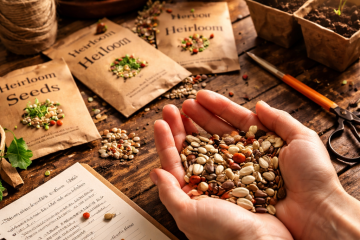
Seeds saved for next season.
It’s not flashy.
But it’s powerful.
Because when you know how to grow food—and you grow crops that are hardy, nutritious, and easy to preserve—you’re building a system that can continue feeding you year after year.
And that kind of resilience starts with something simple:
A seed in the soil and the patience to watch it grow.
0 Comments